
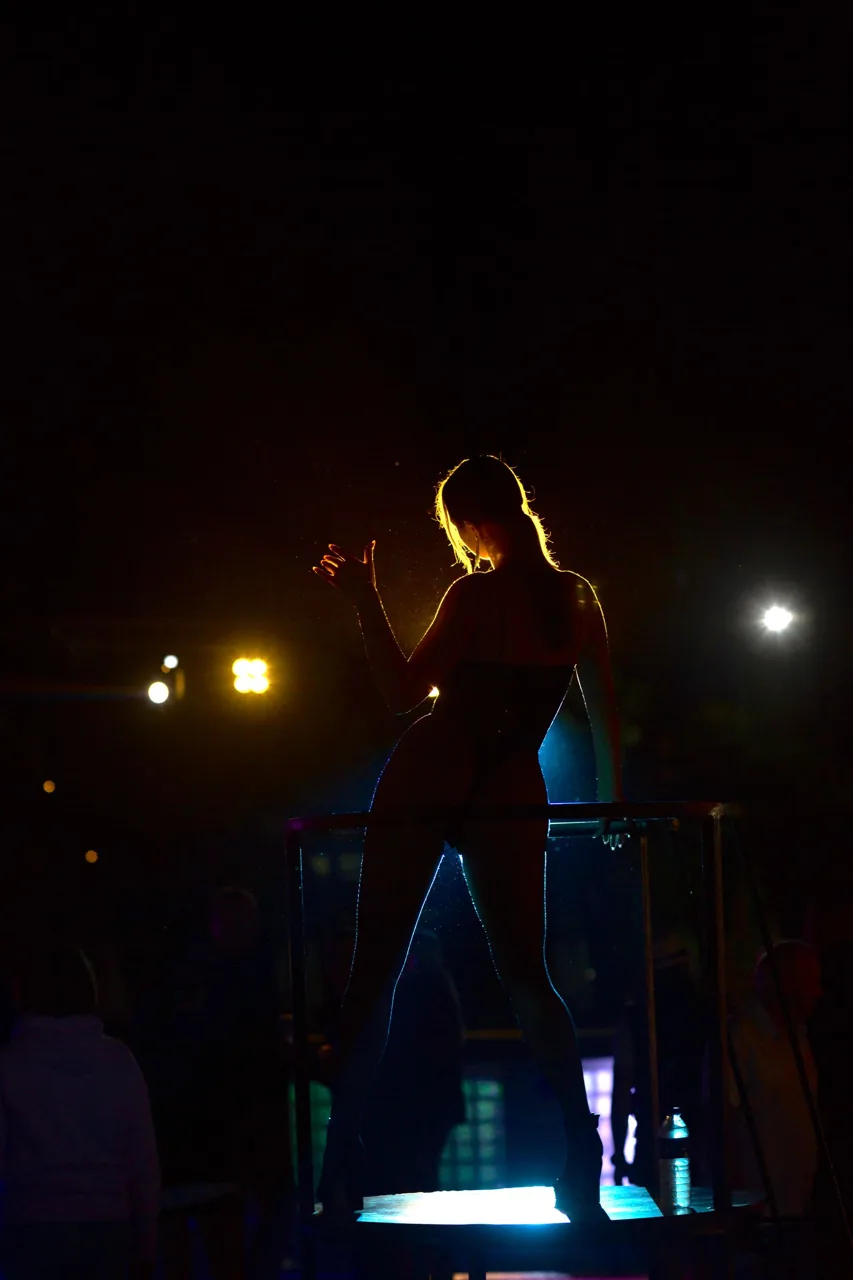
For the uninitiated, a salsa congress can look like chaos: a hotel taken over by thousands of dancers, workshops running from morning, shows at night, and social floors that do not empty until the sun is up. For regulars, it is the highlight of the year — and knowing how to approach one turns overwhelm into the trip you will talk about for months.
The format is broadly the same the world over. Days are given to workshops across levels and styles, often with instructors who fly in from every continent. Evenings bring performances from professional companies, and then the social dancing takes over the ballrooms until the early hours. The salsa music policy — how much classic versus modern, how much bachata and kizomba share the rooms — is what gives each congress its particular flavour.
The classic beginner mistake is trying to do everything. Six workshops a day plus dancing until four leaves you injured and hollow-eyed by day two. The people who thrive pick a few workshops that genuinely interest them, protect an afternoon nap without shame, and save real energy for the social floors, which are where the memories actually get made.
Congresses are also where the global scene reveals itself. You will dance with people from a dozen countries in a single night and discover that connection and musicality travel across every language barrier. It is humbling and thrilling in equal measure, and it is why people cross oceans for a long weekend of it.
Book the host hotel if you possibly can. Being able to step off the floor at three and be in bed two minutes later, rather than facing a taxi across a strange city, is the single biggest quality-of-life upgrade a congress-goer can buy themselves.